

7 Ways to Identify Authentic Independent Streetwear Brands
Last Updated: October 25, 2026
Quick Summary
To identify authentic independent streetwear, check for transparent ownership and founder information, verify consistent brand history through credible sources, and inspect product details like fabric weight, stitching quality, and construction. Authentic brands are transparent about their production process and stand behind their work with clear return policies and customer engagement.
- Authentic independent brands provide exact fabric specifications like weight in ounces and fibre composition, whilst fake brands keep descriptions vague.
- Check founder information on social media and LinkedIn, and verify business registration through Companies House or equivalent registries to confirm true independence.
- Real brands show construction detail shots and explain design choices, whereas inauthentic brands only display product photos without behind-the-scenes content.
- The streetwear market is forecast to reach £734.05 billion by 2034, attracting numerous copycats that mimic aesthetics without understanding the culture.
- Red flags include constantly running sales that never sell out, no customer reviews, shipping delays over 6 weeks, and websites that look hastily assembled from templates.
Table of Contents
- What Makes a Streetwear Brand Authentic and Independent
- How to Spot Fake Streetwear Brands Before You Buy
- Checking Brand History and Ownership Structure
- How to Check Clothing Quality Online
- How to Find Independent Clothing Brands Through Verified Sources
- Independent Streetwear Brands UK: What Sets Them Apart
- Red Flags That Signal a Brand Isn't Authentic
- Start Shopping Independent Streetwear With Confidence
- Frequently Asked Questions
What Makes a Streetwear Brand Authentic and Independent
An authentic independent streetwear brand is one that owns its production, maintains creative control, and builds its identity around genuine cultural values rather than chasing trends.
The distinction matters because the streetwear market is forecast to reach $734.05 billion by 2034, growing at 7.95% annually Fortune Business Insights streetwear market analysis. That growth has attracted countless copycats.
Authentic independent streetwear brands share three core traits: transparent ownership, consistent quality standards, and a cultural narrative that predates commercial success. They don't manufacture hype, they earn respect through what they deliver.
Understanding these markers helps you spot the real thing before your money changes hands. Here's what to look for.
How to Spot Fake Streetwear Brands Before You Buy
Counterfeit and inauthentic streetwear brands rely on visual mimicry and vague marketing language to seem legitimate. The easiest way to spot them is to look for absence: no clear brand story, no founder information, no production details.
Watch out: If a brand's social media only shows product shots with no behind-the-scenes content, no founder commentary, or no engagement with community, that's a red flag.
Start by checking these immediate signals:
- Brand name appears on multiple knockoff sites or Alibaba listings
- Product photos look identical to images on competitor sites
- Website has spelling errors or awkward phrasing (sign of low investment in quality)
- No clear contact information or business address listed
- Prices are suspiciously low compared to similar quality pieces
- Social media accounts are brand new with no posting history
- Product descriptions use generic marketing language with no personality
Real independent brands sound like they have a point of view. They explain why they chose certain fabrics, why their fits work, why their graphics matter. Fake brands describe features without context.
Checking Brand History and Ownership Structure
A legitimate independent streetwear brand can tell you exactly where it came from. This is the most reliable way to verify authenticity.
According to Hard Life Apparel Co. guide on identifying authentic streetwear, checking brand history, inspecting products, and relying on verified sources are essential steps in the verification process. Authentic brands make this easy.
Start here:
- Search the founder's name on social media and LinkedIn
- Look for early interviews or features in streetwear publications
- Check whether the brand has been mentioned in credible fashion journalism
- Verify the business registration if the brand lists a country of operation
- Look for consistent messaging across the brand's website, social media, and press features
Independent brands often started small, sometimes literally in someone's bedroom or garage. That's fine. What matters is whether they're transparent about their growth.
Ownership structure also matters. If a brand is truly independent, one person or a small team owns it outright.
How to Check Clothing Quality Online
You can't feel fabric through a screen, but you can look for specific indicators that suggest genuine quality. Authentic independent streetwear brands provide detailed product information because they're proud of what they've made. Fake brands keep descriptions vague.
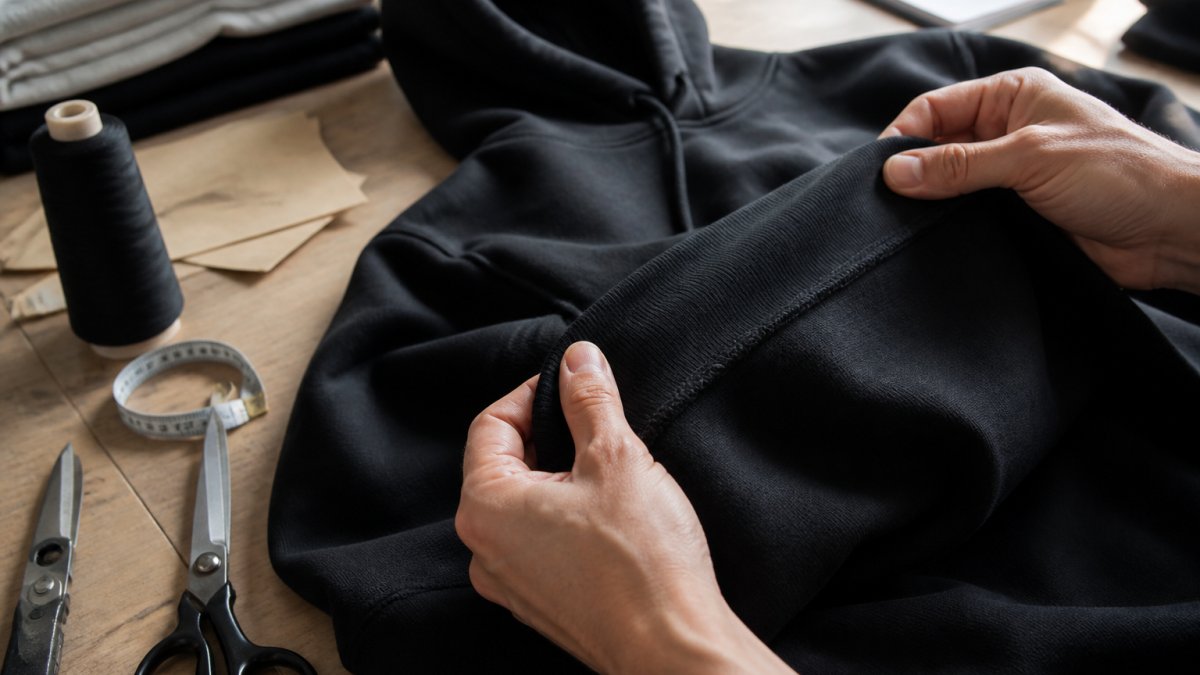
Fabric Weight and Material Composition
Real heavyweight streetwear uses substantial fabric. Why Heavyweight Fabric Lasts Longer explains how fabric weight directly impacts durability and long-term value. This isn't accidental.
Look for this information on the product page:
- Exact weight in ounces (14oz, 16oz, 18oz)
- Fibre composition (100% cotton, cotton-polyester blend, percentage breakdown)
- Whether fabric is pre-shrunk or sanforized
- Origin of the fabric (which mill or supplier)
Brands that don't provide this information either don't know their own specs or don't want you to know them. That's a problem. When you're paying for quality, you deserve transparency.
Compare what's listed. A hoodie claiming 18oz heavyweight fabric at a suspiciously low price is likely misleading, as that weight costs money to produce.
Notix guide on why heavyweight fabric lasts longer explains how fabric weight directly impacts durability and long-term value.
Stitching, Seams and Construction Details
Construction quality separates authentic streetwear from mass-produced imitations. Examine close-up product photos for these details:
- Stitching is straight and even, not wavy or loose
- Seams are reinforced (double-stitched at stress points like shoulders and underarms)
- Hems are finished cleanly, not raw or fraying
- Tags are sewn in properly, not glued
- Graphics are screen-printed evenly with no bleeding or cracking
- Zips and buttons are branded (YKK, Prym, or other quality hardware)
Authentic brands often show construction detail shots because they're proud of the work. If product photos only show the front of a piece with no close-ups of seams, pockets, or hems, that's worth questioning.
Poor construction shows immediately after a few wears. Seams come undone, hems fray, graphics crack. Authentic independent brands stand behind their work because they know it will last.
How to Find Independent Clothing Brands Through Verified Sources
The easiest way to find real independent streetwear brands is to trust curated sources rather than relying on algorithmic social media feeds. Verified platforms have reputational incentive to feature authentic brands.
Start with these channels:
- Dedicated streetwear publications and blogs that feature independent designers
- Curated marketplace platforms that vet sellers before listing them
- Streetwear communities on Reddit (r/streetwear) where real enthusiasts discuss brands
- Independent fashion journalists who cover emerging designers
- Streetwear events and pop-ups where brands are physically present
The research from Mordor Intelligence streetwear market analysis shows that men represent 57.8% of streetwear market share, with women's streetwear growing at 8.6% annually through 2032.
When you find a brand through a trusted publication or community recommendation, cross-reference it. Check multiple sources. Real independent brands appear consistently in credible coverage. Fake brands disappear after a few posts or only appear on their own channels.
Independent Streetwear Brands UK: What Sets Them Apart
UK streetwear has a distinct identity rooted in grime, hip-hop, car culture, and working-class aesthetics. Independent UK brands understand this context because they're part of it. They're not importing trends, they're creating them.
What separates authentic UK independent streetwear from everything else:
- Deep connection to UK street culture, not just aesthetic borrowing
- Founders who are active in the communities they represent
- Production decisions that reflect UK manufacturing capabilities or conscious outsourcing
- Pricing that reflects actual production costs, not artificial scarcity
- Community engagement beyond social media (events, collaborations, local presence)
UK-based independent brands often prioritise quality over volume. They'd rather produce 500 pieces of genuinely heavyweight, well-constructed clothing than 5,000 pieces of mediocre stock.
The LIACS Thesis Repository study on streetwear brand preferences examined factors influencing brand preferences among highly engaged streetwear consumers, highlighting the importance of authenticity and cultural connection in building loyal audiences.
Red Flags That Signal a Brand Isn't Authentic
Certain warning signs appear consistently in inauthentic streetwear brands. Learn to spot them and you'll avoid wasting money on pieces that won't last or brands that don't deserve your loyalty.
Major red flags:
- Constantly running sales or "limited drops" that never actually sell out
- Using influencer marketing exclusively instead of building organic community
- Copying designs from established brands with minor tweaks
- No verifiable founder or team information
- Prices that seem too good to be true for the claimed quality
- Website that looks hastily thrown together or copied from template
- No customer reviews or testimonials (real brands have them)
- Shipping takes 6+ weeks with no explanation
- Brand claims exclusivity but pieces appear on dozens of reseller sites immediately
- No clear return or quality guarantee policy
Authentic independent brands are confident enough to stand behind their work. They offer reasonable return windows, respond to customer service enquiries, and don't hide behind anonymity.
Watch for these warning signs that consistently appear in inauthentic streetwear brands.
| Red Flag | What It Indicates |
|---|---|
| Constantly running sales or limited drops that never sell out | Artificial scarcity and false exclusivity |
| Using influencer marketing exclusively instead of organic community | Lack of genuine audience connection |
| Copying designs from established brands with minor tweaks | No original creative vision |
| No verifiable founder or team information | Lack of transparency and accountability |
| Prices too good to be true for claimed quality | Misleading product specifications |
| Website looks hastily thrown together or copied from template | Low investment in brand legitimacy |
| No customer reviews or testimonials | Unproven track record or hidden issues |
| Shipping takes 6+ weeks with no explanation | Poor operational standards |
Start Shopping Independent Streetwear With Confidence
You now have the tools to identify authentic independent streetwear brands and avoid wasting money on fakes. The key is asking questions: Where did this brand come from? Who runs it? What's their production process? Can they answer these clearly?
Real independent streetwear brands earn respect through consistency, quality, and genuine connection to the communities they serve. They're not trying to fool you, they're trying to build something that lasts.
When you find a brand that checks these boxes, you've found something worth supporting. That's the difference between buying clothes and buying into a culture.
Frequently Asked Questions
How can you tell if a streetwear brand is independent?
Independent streetwear brands are typically owned and operated by founders or small teams rather than large corporate entities. Check the brand's ownership structure, founder story and business registration. Independent brands often communicate their story directly through their website and social channels, explain their design philosophy clearly, and maintain transparent supply chains. Look for brands that discuss their production methods, fabric sourcing and why they chose specific materials. Authentic independent brands build community around shared values rather than just selling products.
What should you look for when buying from a small clothing brand?
Verify the brand's history by checking when they launched, where they're based and what they stand for. Inspect product descriptions for specific details about fabric weight, material composition and care instructions. Read customer reviews on multiple platforms, not just the brand's own website. Check that sizing information is detailed and consistent across products. Look for clear communication about returns and customer service. Authentic small brands respond to customer enquiries quickly and stand behind their products with fair return policies. Avoid brands with vague descriptions, inconsistent branding across platforms or suspiciously low prices for premium materials.
How can you spot a fake streetwear brand?
Counterfeit and inauthentic brands often use copied designs, inconsistent logos or poor-quality graphics. Check for spelling errors in product descriptions, brand names or care labels. Authentic brands maintain consistent branding across all platforms; fakes often have mismatched logos or designs. Inspect product photos for inconsistencies in colour, fit or graphic placement between images. Be suspicious of brands with no verifiable social media history, no customer reviews or testimonials, or extremely low prices for claimed premium materials. Counterfeit pieces typically show poor stitching, loose threads, uneven seams or cheap fabric despite claims of heavyweight quality. Verify the brand through independent streetwear communities and forums where experienced buyers share their knowledge.
Are independent streetwear brands better quality?
Independent streetwear brands often prioritise quality over mass production because their reputation depends on customer satisfaction. Many independent brands use heavyweight fabrics, invest in better construction and control their supply chains directly. However, quality varies between independent brands just as it does with larger labels. What sets authentic independent brands apart is transparency: they openly discuss their materials, production methods and why they chose them. They're accountable to their community rather than shareholders, which often means they make decisions based on product integrity. Always verify quality claims by checking fabric specifications, stitching details and customer reviews rather than assuming independence automatically means better quality.
At Notix, we build independent streetwear around discipline, self-reliance, and quality that actually holds up. Our heavyweight fabrics, reinforced construction, and oversized fits are built for long days and real wear. No hype. No shortcuts. Choose options and start with pieces designed to last.
