

Best Alternatives to Fast Fashion Streetwear
Table of Contents
- Why Fast Fashion Streetwear Falls Short
- What Defines Ethical Streetwear Brands in the UK
- Authenticity Over Trend-Chasing
- Transparency Matters
- Quality Over Constant Drops
- How to Spot Greenwashing in Fashion
- Look Beyond the Marketing
- Look for Independent Certifications
- Check the Fabric Composition
- Check Where and How It Is Made
- Benefits of Heavyweight Cotton Clothing
- Durability and Longevity
- Comfort and Fit
- Versatility Across Seasons
- Visual Character
- Notix: Independent Streetwear Built on Discipline
- How to Choose the Right Alternative to Fast Fashion
- Frequently Asked Questions
Last Updated: October 2, 2026
Why Fast Fashion Streetwear Falls Short
Fast fashion streetwear dominates high streets and online marketplaces because it is cheap, trendy and instantly available. But that convenience comes with a cost.
Garments designed to last a season can shrink, fade or lose their shape within weeks. Fabrics feel thin. Seams weaken. Graphics crack and peel. After a few washes, the £15 piece that looked good on day one can start looking exactly like what you paid for.
The problem isn't simply the price. It's the philosophy behind the product.
Fast fashion streetwear is built around volume, speed and constant replacement, not longevity. New designs arrive faster than most people can wear them, creating a cycle of buying, replacing and buying again. What looks cheap at checkout can become expensive over time.
Then there's the cultural cost.
When the same mass-produced designs appear across the same marketplaces and social feeds, individuality starts to disappear. Streetwear loses the sense of identity that made it different in the first place.
It becomes less about expression and more about following whatever is next.
That is where the best alternatives to fast fashion streetwear stand apart: fewer disposable pieces, better materials, stronger construction and a design philosophy built around having something of your own.
What Defines Ethical Streetwear Brands in the UK
Ethical streetwear brands in the UK take a different approach to fast fashion. Instead of focusing on speed and volume, they place greater emphasis on quality, craftsmanship, transparency and long-term value.
An ethical streetwear brand should be able to demonstrate what goes into its clothing. That means being clear about materials, construction, production and the reasons behind its pricing.
Heavyweight fabrics are common across premium streetwear, particularly cotton and cotton blends around 300+ GSM (grams per square metre). Heavier fabrics can provide a more substantial feel, greater structure and a stronger foundation for oversized and boxy silhouettes.
But fabric weight is only part of the picture. Quality also comes down to construction, finishing, fit and how a garment is designed to be worn.
Authenticity Over Trend-Chasing
The strongest independent streetwear brands have a clear identity.
Their designs are influenced by the culture, communities and experiences around them rather than simply copying whatever is trending. In the UK, that can mean influences from street culture, music, grime, hip-hop, automotive culture and everyday life.
The result should feel authentic rather than manufactured for a trend.
Transparency Matters
Ethical fashion also requires transparency.
Look for brands that clearly explain what their garments are made from, where they are produced and how they approach manufacturing. Clear product information helps customers understand exactly what they are buying and why it costs what it does.
Price alone does not determine whether a brand is ethical. What matters is whether the brand can provide a credible explanation for its materials, production and pricing.
Quality Over Constant Drops
Another defining characteristic is the approach to new releases.
Rather than producing endless collections to keep up with trends, independent streetwear brands can focus on core pieces designed to remain relevant across seasons.
Limited releases can still play a role, but the emphasis should be on creating clothing people genuinely want to keep wearing — not simply encouraging them to buy something new every week.
For the customer, that means building a wardrobe around pieces with longevity, identity and purpose.
How to Spot Greenwashing in Fashion
Greenwashing is a growing problem in fashion. Brands can use terms such as "eco-friendly," "sustainable" and "conscious" without providing enough evidence to explain what those claims actually mean.
Learning to recognise these tactics helps you make better-informed decisions about what you buy.
Look Beyond the Marketing
Be cautious of vague language.
Words such as "natural," "eco-conscious" and "sustainable" do not tell you much on their own. Look for the information behind the claim.
Ask:
- What makes the product more sustainable?
- What materials are being used?
- Where were those materials sourced?
- How is the garment produced?
- Can the brand provide evidence for its claims?
If a brand cannot clearly explain its sustainability claims, it is worth questioning them.
Look for Independent Certifications
Third-party certifications can provide additional evidence that specific environmental, material or labour standards have been considered.
Examples include GOTS (Global Organic Textile Standard), OEKO-TEX and Fair Trade.
However, certification should not be the only thing you look for. Smaller independent brands may not hold every certification, so consider the wider picture — including materials, manufacturing information and overall transparency.
Check the Fabric Composition
Look at what the garment is actually made from.
A brand making sustainability claims should provide clear information about its fabric composition rather than relying on vague descriptions such as "premium blend".
Pay attention to the materials, their proportions and any information the brand provides about their sourcing.
Fabric weight can also tell you something about the construction of a garment. Heavyweight cotton can offer a more substantial feel and may be better suited to long-term wear, but GSM alone does not determine whether a garment is sustainable or ethically produced.
Check Where and How It Is Made
Production information matters.
Look for transparency around:
- Where garments are manufactured
- Who manufactures them
- Working conditions
- Labour standards
- Material sourcing
- Production processes
A brand does not need to reveal every detail of its supply chain, but meaningful information is a positive sign.
If a company makes strong ethical or sustainability claims while providing little information to support them, approach those claims with caution.
The rule is simple: don't take the label at face value. Look for the evidence behind it.
Benefits of Heavyweight Cotton Clothing
Heavyweight cotton offers several advantages that can make it worth the higher upfront cost. For anyone looking for alternatives to fast fashion streetwear, fabric weight can make a noticeable difference to the feel, fit and character of a garment.
Durability and Longevity
At 300+ GSM, heavyweight cotton has a more substantial construction and can be well suited to regular wear. With proper construction and care, heavier fabrics can maintain their structure and develop character over time rather than simply feeling worn out.
Comfort and Fit
Heavier fabric creates a more structured silhouette and gives oversized garments a more intentional fit.
Instead of feeling thin or flimsy, heavyweight cotton has noticeable substance and weight. For boxy and oversized streetwear, that structure can help the garment maintain its intended shape.
Versatility Across Seasons
Heavyweight cotton can provide additional warmth in cooler conditions while remaining breathable compared with many synthetic-heavy fabrics.
Combined with the right fit and layering, heavyweight pieces can work across different seasons, making them practical additions to an everyday wardrobe.
Visual Character
Heavyweight cotton also works particularly well with washed, faded and distressed finishes.
Techniques such as snow washing, fading and hand-frayed detailing can create depth and character, giving a garment a lived-in appearance from the start.
Over time, natural wear can add further character rather than simply making the garment look tired.
That combination of weight, structure and evolving character is a major reason heavyweight cotton has become such a staple of modern streetwear.
Notix Brick Snow Wash Hand-Frayed Heavyweight Hoodie →
Environmental impact: One heavyweight piece worn for years has far lower environmental impact than buying five cheap replacements. The manufacturing footprint is paid back through years of use rather than weeks.
Aspect |
Heavyweight Cotton (300+ GSM) |
Fast Fashion Cotton Blend |
|---|---|---|
Durability |
5-10 years |
6-12 months |
Colour retention |
Fades gradually and naturally |
Fades quickly, unevenly |
Shape retention |
Holds structure through washing |
Stretches and sags |
Comfort |
Substantial, drapes well |
Thin, flimsy feel |
Notix: Independent Streetwear Built on Discipline
NOTIX stands apart because it was built from an understanding of UK street culture and the mindset behind it. The brand isn't built around chasing trends. It's rooted in a simple philosophy: earn your respect, keep your word, pay your way and put the work in. No handouts. No shortcuts.
Every NOTIX piece reflects that ethos through its construction and design. The NOTIX Brick Snow Wash Hand-Frayed Heavyweight Hoodie is made from 100% cotton at 400 GSM, with an oversized drop-shoulder silhouette.
Its snow-washed finish and hand-frayed detailing give the hoodie individual character, with natural variations meaning no two pieces are exactly alike.
This is heavyweight streetwear built for people who move with purpose — not clothing designed simply to follow whatever trend comes next.

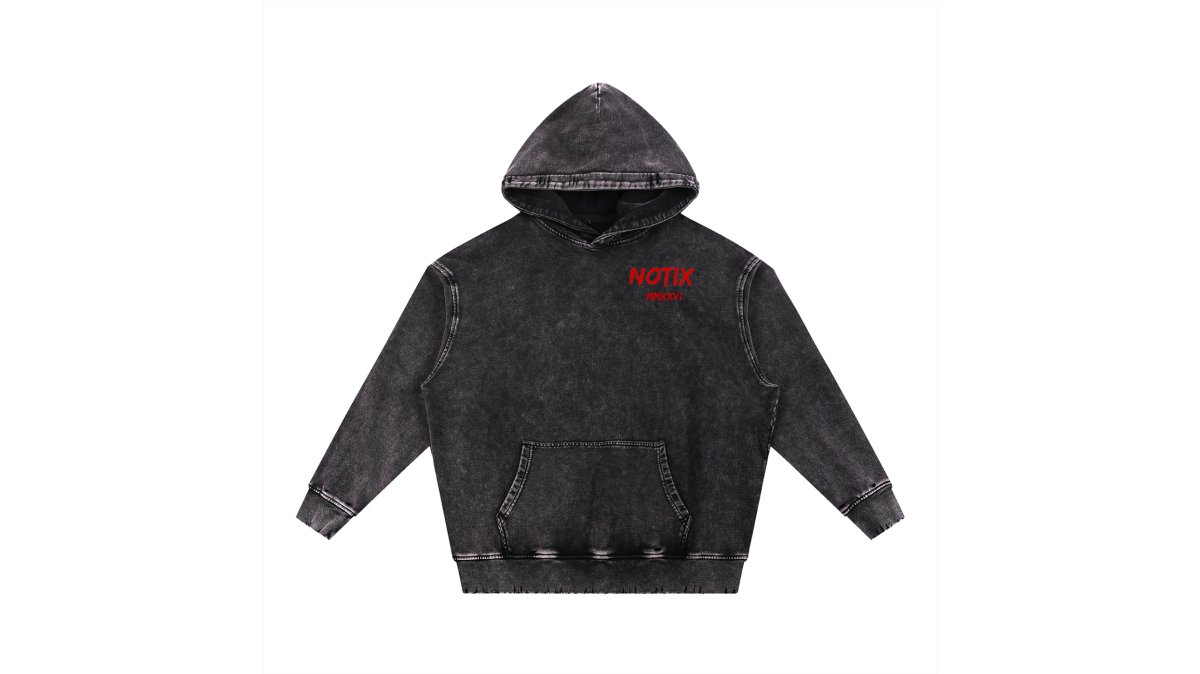
What separates NOTIX from fast fashion is transparency about why each piece costs what it does. A NOTIX hoodie at £49.99 isn't positioned as the cheapest option. The price reflects the materials, weight and construction — including 400 GSM cotton, an oversized silhouette and individual finishing details.
You're paying for the garment itself, not simply a logo or a short-lived trend.
NOTIX doesn't drop collections every week. New designs arrive intentionally, while core pieces can remain available season after season. The aim is to build a wardrobe around clothing you actually want to keep wearing, rather than constantly chasing the next limited drop.
NOTIX pieces are also designed to work beyond one setting. The NOTIX Worldline Washed Zip-Up Hoodie, priced at £47.99, features 410 GSM fleece with a dirty-washed finish and relaxed fit.
Wear it as streetwear. Wear it casually. Wear it for training.
Heavyweight construction and a relaxed silhouette make it a versatile piece built around how you actually live — not how a trend tells you to dress.

How to Choose the Right Alternative to Fast Fashion
Choosing alternatives to fast fashion streetwear requires looking beyond price and trend. Focus on these criteria to find pieces that genuinely deliver value.
Material composition first. Check the label. 100% cotton or high-quality cotton blends (above 50% cotton) are far more durable than synthetic-heavy blends. GSM weight matters, aim for 300+ GSM for hoodies, t-shirts, and jackets. Lightweight fabrics signal fast fashion thinking.
Construction details. Examine seams, hems, and print placement. Quality brands use reinforced seaming, finished hems, and print techniques that won't crack after a few washes. Look for details like ribbed cuffs, double-stitched seams, and properly finished necklines.
Brand transparency. Can you find information about where the garment is made, what the fabric is, and why it costs what it does? Ethical brands answer these questions. Fast fashion brands obscure them.
Design philosophy. Does the brand drop collections constantly or maintain core pieces? Do designs feel rooted in genuine culture or manufactured to chase trends? Authentic streetwear brands have a clear point of view. They design pieces they'd wear themselves, not just what algorithms predict will sell.
Sizing consistency. Oversized streetwear should feel intentionally oversized, not just large. Quality brands provide detailed size guides and measurements. The Notix Snow Washed Raw Tee at £39.99, for example, offers full measurements in centimetres and inches so you know exactly what you're getting.

Frequently Asked Questions
What makes alternatives to fast fashion streetwear actually better?
Alternatives to fast fashion streetwear prioritise durability, ethical production and distinctive design over trend-chasing. Brands like Notix use heavyweight fabrics (400+ GSM cotton), individual finishing processes and meaningful graphics rather than mass-produced designs. You're paying for garments that hold their shape, age well and carry genuine character rather than pieces designed to fall apart after a season.
How can I tell if a streetwear brand is actually ethical?
Check whether the brand discloses its production methods, fabric sourcing and manufacturing location. Ethical streetwear brands UK typically own or closely oversee their production, use premium materials like heavyweight cotton, and avoid disposable design trends. Look for transparency about garment weight (measured in GSM), care instructions that encourage longevity, and whether the brand has a clear philosophy beyond marketing. Avoid brands that make vague sustainability claims without specifics.
Are there affordable alternatives to fast fashion streetwear?
Yes, but 'affordable' means something different from fast fashion pricing. Independent brands like Notix offer heavyweight pieces at £32-£60, and they last significantly longer. Investing in fewer, better pieces reduces overall spending and waste. Start with basics like the Notix Snow Washed Raw Tee (£39.99) or Sunfade Boxy Waffle Tee (£34.99) to test the quality.
Why is heavyweight fabric important in sustainable streetwear?
Heavyweight fabrics (typically 310-530 GSM) resist pilling, shrinking and shape loss far better than thin materials. The benefits of heavyweight cotton clothing include superior durability, comfort in varied weather, and a structured silhouette that doesn't degrade after washing. Heavyweight pieces maintain their appearance through years of wear, making them genuinely sustainable rather than false economy. Notix uses 400-530 GSM fabrics specifically to ensure garments earn their place in your rotation.
How do independent streetwear brands support individuality over trends?
Independent brands like Notix use limited production runs, individual finishing (hand-frayed details, snow-wash variations, distressed elements) and bold, distinctive graphics rather than generic logos. Each garment is subtly unique due to production methods, meaning you're not wearing exactly what thousands of others own. The brand philosophy emphasises self-reliance and discipline rather than following hype, attracting people who want meaning in their clothing rather than status symbols.