

Why Independent Brands Matter for Street Culture
Table of Contents
- Why Independent Brands Matter for Street Culture Today
- The Role of Independent Streetwear Brands in Building Community
- Streetwear and Subculture: How Independent Voices Shape the Scene
- Authenticity in Streetwear: What Sets Independent Labels Apart
- How Independent Brands Influence Mainstream Fashion
- How to Support Independent Clothing Brands
- The Challenges Independent Brands Face and Why It Matters
- Frequently Asked Questions
Last Updated: October 5, 2026
Why Independent Brands Matter for Street Culture Today
Why independent brands matter for street culture isn't a question most people ask. It's something they feel. When you pull on a heavyweight tee from a brand built by people who understand the streets, who've lived the culture, who aren't chasing quarterly earnings reports, that's different from grabbing something off a high street shelf.

Independent streetwear brands are the backbone of modern street culture. They emerge from genuine communities, reflect authentic values, and stay true to their roots in ways that mainstream fashion simply cannot. These aren't corporations playing dress-up in street culture. They're creators who grew up in it, who understand the codes, the history, the weight of what it means to wear something with intention.
The landscape has shifted dramatically over the past decade. Street culture used to be something the mainstream observed from a distance. Now it drives global fashion. But that shift has created a paradox: as streetwear became profitable, it also became diluted. Mass-market brands flooded the space with watered-down versions of the aesthetic. That's precisely why independent brands matter more now than ever. They're the keepers of authenticity in a world where everyone's trying to cash in on the culture.
The Role of Independent Streetwear Brands in Building Community
Community isn't something you can manufacture at scale. It's built through trust, consistency, and genuine connection over time. Independent streetwear brands create community because they're embedded in it. They're not distant entities making decisions in corporate boardrooms. They're people your friends know. People who show up to events, who listen to feedback, who actually care whether their pieces hold up after six months of heavy wear.

When a brand is independent, every decision carries weight. There's no corporate structure to hide behind. The owner's name is often on the label. That accountability creates a different relationship between brand and wearer. You're not just buying a product. You're supporting a vision, a person, a crew that's building something meaningful.
Many independent streetwear brands started as passion projects. Someone had an idea, made samples in their garage or studio, and started selling to friends. That origin story matters. It means the brand understands what it's like to struggle, to build from nothing, to earn respect through consistency. That resonates deeply with street culture, which has always valued the grind, the hustle, the refusal to take shortcuts.
The community aspect extends beyond just the brand. Independent streetwear creates spaces where people with similar values can gather. Whether it's a pop-up shop, a launch event, or online forums, these communities become places where people find their people. You meet others who care about quality, about authenticity, about wearing something that means something.
Streetwear and Subculture: How Independent Voices Shape the Scene
Subculture thrives when there's room for genuine expression. Mainstream fashion is designed for broad appeal, which means it smooths out the edges, removes the edge, makes everything safe and palatable. Independent streetwear brands refuse to do that. They maintain the rebellious spirit that street culture was built on.
Streetwear emerged from specific subcultures: hip-hop in New York, skate culture in California, grime in London. Each of these scenes had distinct aesthetics, values, and attitudes. Independent brands are the ones who honour that history. They understand that streetwear isn't just about oversized silhouettes and bold graphics. It's about attitude. It's about refusing to conform. It's about making a statement with what you wear.

The relationship between independent brands and subculture is symbiotic. Subcultures generate the creativity and authenticity that independent brands then translate into wearable form. In turn, independent brands amplify the subculture, give it a visual identity, help it spread. This feedback loop keeps street culture alive and evolving.
What's critical here is that independent brands stay true to their subcultural roots even as they grow. They don't suddenly pivot toward mainstream appeal. They don't dilute their message to reach a broader audience. That consistency is what separates authentic independent brands from poseurs trying to capitalise on street culture aesthetics.
Authenticity in Streetwear: What Sets Independent Labels Apart
Authenticity is the currency of street culture. You can't fake it. People who live this culture can spot a fraud instantly. An independent brand either has it or it doesn't. There's no grey area.
What makes an independent brand authentic? First, lived experience. The creators understand street culture because they're part of it. They've worn the pieces. They've been part of the community. They know what works and what doesn't, not from market research, but from living it.
Second, consistency in values. Independent brands don't shift their aesthetic or message based on trends. They have a point of view and they stick to it. That consistency builds trust. When you buy from a brand like that, you know what you're getting. You know the values behind it. You know it's not going to suddenly rebrand itself to chase whatever's trending on social media.
Third, transparency. Independent brands are often transparent about their processes, their materials, their struggles. They share their journey. They acknowledge when they make mistakes. That openness is fundamentally different from corporate messaging, which is carefully controlled and focus-grouped to death.
Quality matters too. Independent brands often use better materials and construction methods because they have to. They can't compete on price, so they compete on durability and design. A heavyweight tee constructed from 430 GSM cotton with proper finishing isn't an accident. It's a choice. It's a statement that this brand values longevity over quick sales. That's authenticity in practice.
How Independent Brands Influence Mainstream Fashion
Independent brands don't just exist in parallel to mainstream fashion. They actively shape it. The trends you see on high streets often originated in independent streetwear first. Oversized silhouettes, bold graphics, heritage-inspired designs, these came from independent creators, not from major fashion corporations.
The influence flows in one direction, though. Mainstream fashion watches independent brands, identifies what's working, and produces cheaper versions at scale. That's the natural cycle. But here's what matters: the original always has more credibility than the copy. When you wear something from an independent brand, you're wearing the source material. You're wearing the thing that inspired the knockoffs.
This influence extends beyond aesthetics. Independent brands have changed how fashion is produced and sold. They've demonstrated that you don't need massive factories and global supply chains to create quality products. You can build a sustainable business with smaller production runs, closer attention to detail, and direct relationships with your customers.
Independent brands have also influenced the values conversation in fashion. Sustainability, ethical production, fair labour practices, these became important partly because independent brands prioritised them out of necessity and principle. Now major corporations are scrambling to catch up, to appear ethical, to seem sustainable. But the independent brands were there first, doing it because it mattered, not because it was good marketing.
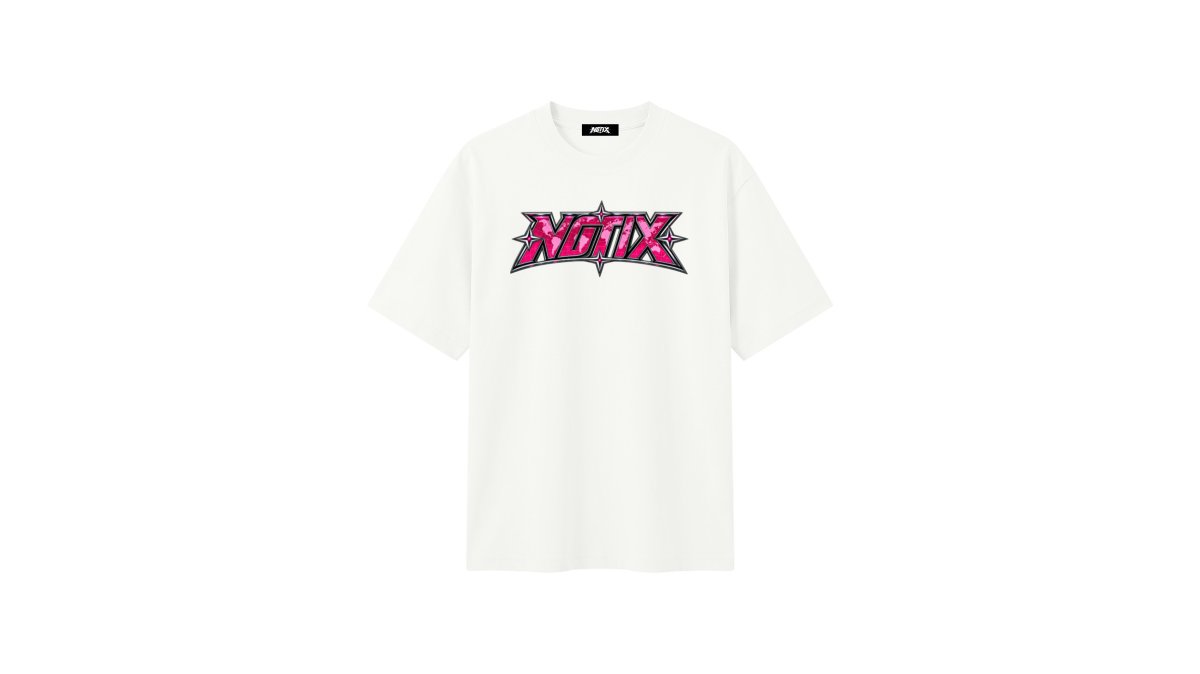
Notix Worldline Heavyweight Tee →
How to Support Independent Clothing Brands
Supporting independent streetwear brands is straightforward, but it requires intentionality. It means making conscious choices about where you spend your money and why.
First, research the brand. Understand their story. Where did they come from? What are their values? Are they actually independent or just marketed that way? Real independent brands are transparent about their origins and their process.
Second, invest in quality over quantity. Independent brands typically cost more than fast fashion. That's not a bug. It's a feature. You're paying for better materials, better construction, better design.
Third, engage with the community. Follow the brand on social media. Attend events if you can. Buy directly from the brand when possible, rather than through resellers. This direct relationship supports the brand more effectively and connects you to the community.
Fourth, be patient with availability. Independent brands can't produce massive quantities. Pieces sell out. That's normal. That's part of what makes them valuable. If you find something you love, buy it. Don't wait.
Fifth, give honest feedback. Independent brands actually listen to their customers. If something doesn't fit right, if the quality isn't what you expected, tell them. If something is absolutely perfect, tell them that too. That feedback helps them improve.
Finally, talk about the brands you support. Word of mouth is how independent brands grow. When you wear something with genuine conviction, when you can speak authentically about why you chose that brand, you're doing more for them than any advertising could.
| Action | Impact | Frequency |
|---|---|---|
| Research brand story and values | Ensures authentic support | Before first purchase |
| Invest in quality pieces over quantity | Extends garment life, reduces waste | Each purchase |
| Engage with brand community | Strengthens connection, supports growth | Ongoing |
| Buy directly from brand | Maximises support, direct feedback | When possible |
| Share honest feedback | Helps brand improve and innovate | After purchase |
| Recommend to others | Builds community, drives awareness | Regularly |
The Challenges Independent Brands Face and Why It Matters
Independent brands operate under constraints that mainstream fashion doesn't. Understanding these challenges is essential to understanding why supporting them matters so much.
Production costs are brutal. A major corporation can spread manufacturing costs across millions of units. An independent brand producing in smaller quantities pays more per piece. That's why independent pieces cost more. It's not greed. It's mathematics.
Supply chain complexity is another challenge. Sourcing quality materials in small quantities is harder and more expensive than buying in bulk. Finding manufacturers willing to work with smaller orders is difficult. Lead times are longer. One production delay can disrupt everything.
Distribution is challenging too. Independent brands can't secure shelf space in major retailers. They rely on their own websites, pop-up shops, and selective retail partnerships. That limits their reach. It also means they're entirely dependent on their own marketing and word of mouth.
Scaling without losing authenticity is perhaps the biggest challenge. As an independent brand grows, maintaining the values and quality that made it special becomes harder. The temptation to compromise, to use cheaper materials, to outsource design, to chase trends, is constant.
Why does this matter? Because supporting independent brands despite these challenges is an act of cultural preservation. It's saying that you value authenticity over convenience, quality over quantity, community over corporate efficiency.
Brands like Notix exist in this landscape. We create heavyweight, oversized clothing built on the values of discipline, self-reliance, and earned progression. Our pieces are constructed from quality materials, with proper finishing and attention to detail.
Frequently Asked Questions
What makes a streetwear brand truly independent?
An independent streetwear brand is one built and controlled by its founders or small team, rather than owned by a larger corporation. Independent brands typically maintain creative control over design, production and messaging. They often source materials directly, work with smaller manufacturers, and prioritise their own vision over commercial trends. This independence allows them to take creative risks and stay true to their roots rather than chasing mass-market appeal.
Why are independent brands important to street culture?
Independent brands are the lifeblood of street culture because they authentically reflect the communities they come from. They emerge from real streets, real experiences and real people, not boardrooms. These brands push boundaries, experiment with design and speak directly to their audience without corporate filters. They create spaces where subcultures can express identity and values, making street culture feel alive and evolving rather than manufactured or diluted.
How do independent streetwear brands stay authentic as they grow?
Staying authentic while scaling requires maintaining core values and refusing compromises on quality or vision. Independent brands that succeed protect their creative direction, keep production standards high and stay connected to their original community. They avoid mass production, limit distribution and prioritise substance over hype. Brands like Notix anchor themselves to their ethos, discipline, self-reliance and earned respect, ensuring growth doesn't water down what made them matter in the first place.
How can I support independent clothing brands in my everyday choices?
Support independent brands by buying directly from them rather than through resellers, choosing quality pieces you'll wear for years over fast fashion, and sharing their work with your community. When you invest in independent streetwear, you're funding the next collection, supporting local manufacturing and keeping creative control in the hands of the people who started it. Wear the pieces with intention, follow their story and recommend them to others who value authenticity over hype.
Supporting independent brands isn't just about fashion. It's about preserving the authenticity and creativity that makes street culture vital. When you choose an independent brand, you're choosing to be part of something real. You're choosing quality over convenience, community over corporation, authenticity over algorithm. That choice matters more than you might think.