

Is Slow Fashion Worth the Extra Cost?
Table of Contents
- Is slow fashion worth the extra cost? The real numbers
- Slow fashion cost vs fast fashion: what you actually pay
- Cost per wear clothing: why fewer pieces cost less overall
- Durability: how long slow fashion actually lasts
- Affordable sustainable fashion without greenwashing
- How to spot greenwashing in fashion brands
- Is the investment worth it? An honest verdict
- Frequently Asked Questions
Last Updated: October 12, 2026
Is slow fashion worth the extra cost? The real numbers
When you buy a premium heavyweight hoodie, you're paying for something that won't fall apart after three months of wear.

The question "is slow fashion worth the extra cost?" assumes slow fashion is a luxury choice. It's not. It's the economically rational choice once you factor in durability, replacement frequency, and what clothing costs you over time. At Notix, we build heavyweight streetwear designed to last years, not seasons, spending money once instead of repeatedly.
The real comparison isn't premium versus budget. It's total cost versus upfront cost. A hoodie that costs twice as much but lasts four times longer isn't expensive. It's a bargain.
Most people measure fashion spending by price tag alone. They see a £45 heavyweight hoodie next to a £15 fast fashion equivalent and stop at the three-times difference. That view ignores everything that actually determines whether you're spending money wisely.
The honest verdict: slow fashion is worth the cost for anyone who wears the same pieces regularly. If you rotate through basics, investing in quality pieces that last years makes financial sense. If you chase trends constantly, it won't appeal to you, and that's fine. But if you want clothing that holds its shape and doesn't need replacing every season, the extra cost isn't extra at all.
Slow fashion cost vs fast fashion: what you actually pay
The comparison between slow and fast fashion breaks down the moment you stop looking at price tags and start looking at longevity.
Fast fashion operates on volume: new collections constantly, cheap prices, frequent replacement. A £15 t-shirt that lasts three months costs £60 per year if you replace it four times. A £40 heavyweight t-shirt that lasts three years costs roughly £13 per year.
The expensive piece is cheaper over time because it actually survives use.
The catch is timing. You feel the pain of slow fashion upfront, £45 for a hoodie today. Fast fashion spreads the pain across smaller purchases, which your brain registers as less painful even though total spending is higher.
Notix pieces like the Essential Heavyweight Hoodie at £44.99 use 500 g/m² cotton-blend fleece. That weight and density matter. Lighter fleece breaks down faster. The fabric loses structure, the stitching loosens, colours fade. Heavier construction resists all of that. You're not paying for a brand name. You're paying for material density that actually performs.
Fast fashion uses lighter fabrics because they're cheaper to produce and the brands know they'll be replaced. Slow fashion uses heavier materials because both maker and wearer expect years of wear.
The financial advantage compounds. Year one, you spend more. Year two, your slow fashion piece is still going strong while fast fashion replacements are gone. Year three and beyond, it keeps delivering value while you'd have cycled through multiple cheap replacements.
| Scenario | Year 1 | Year 2 | Year 3 | Total Cost |
|---|---|---|---|---|
| Fast Fashion (£15, 3-month lifespan) | £60 | £60 | £60 | £180 |
| Slow Fashion (£45, 3-year lifespan) | £45 | £0 | £0 | £45 |
The upfront cost is higher. The total cost is dramatically lower.
Cost per wear clothing: why fewer pieces cost less overall
The most useful way to think about clothing spending is cost per wear. How much does each piece cost you every time you put it on?
A £15 t-shirt worn 20 times before it deteriorates costs you 75p per wear. A £40 t-shirt worn 200 times over three years costs you 20p per wear. The expensive piece is four times cheaper to wear.
This metric changes how you shop: not the cheapest item, but the one delivering the most value across its lifespan.
Most people own far more clothing than they wear. The average wardrobe holds items worn fewer than five times before being abandoned, an astronomical cost per wear regardless of price tag.
Slow fashion reverses that: buy fewer pieces, wear them more often, drive cost per wear down dramatically even though the upfront price is higher.
The Notix Varsity Club Sweatpants at £44.99 are built from 530 GSM 100% cotton. That specification means they'll withstand regular washing, maintain their shape, and resist pilling and fading.

The expensive piece is cheaper to wear.
This is slow fashion's real advantage: not ethics or fashion, but efficiency. You buy pieces you'll actually wear repeatedly, not abandon after a handful of wears.
Durability: how long slow fashion actually lasts
Durability isn't abstract. It's the difference between a hoodie that holds its shape after 50 washes and one that becomes a shapeless, pilled mess after 10.
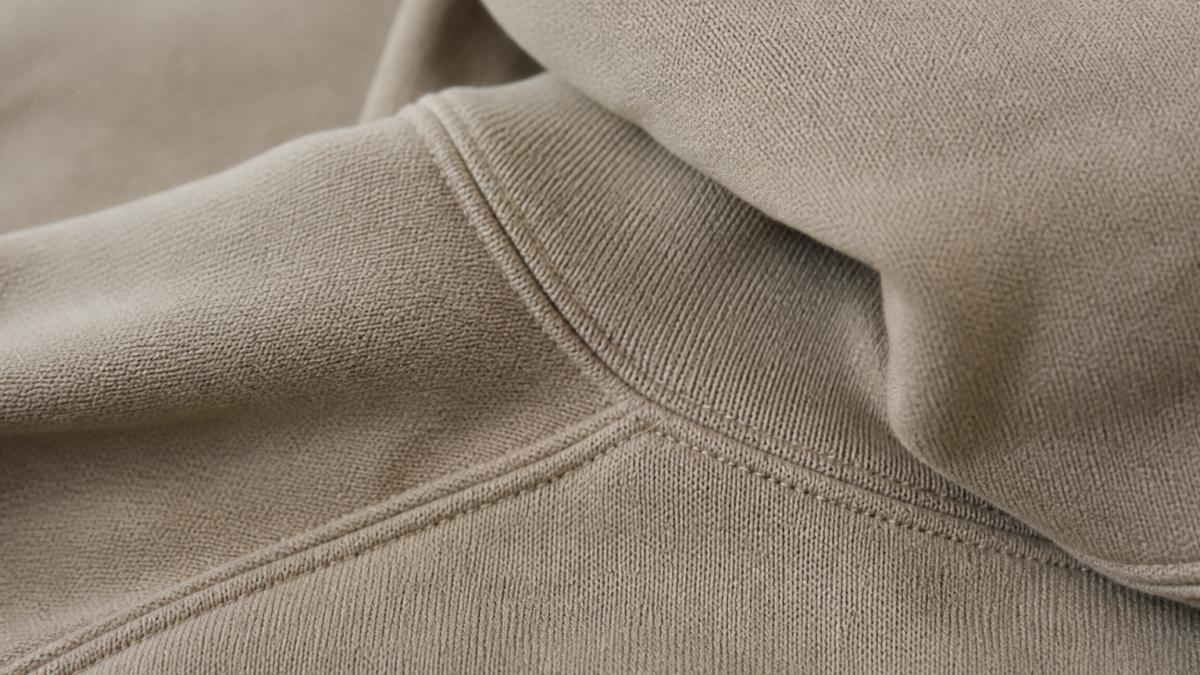
The materials matter. Heavyweight fabrics, 400+ GSM for cotton, 500+ g/m² for fleece, resist pilling, shape loss and fading because they're built for repeated wear and washing.
Fast fashion uses lighter materials because they're cheaper.
That's not a flaw in fast fashion. It's the business model.
Slow fashion reverses that logic. The brands expect you to keep wearing the piece. So they use materials that survive. The Notix Essential Heavyweight Fleece Hoodie uses 500 g/m² fleece. That's substantial. That's designed to last.
The care instructions matter too. Notix pieces specify machine washing at 30°C on a gentle cycle, tumble dryinging on low, and avoiding direct ironing over printed areas. Those aren't suggestions.
Most people wash everything hot, dry it hard and iron aggressively.
The real durability advantage shows up after a year of regular wear. Your fast fashion pieces are noticeably worn. Colours have faded. Shapes have distorted. Seams are loosening. Your slow fashion pieces look nearly new.
Notix Essential Heavyweight Hoodie →
That visual difference is worth the premium, and the financial difference over time.
Affordable sustainable fashion without greenwashing
Slow fashion and sustainability often get tangled together, but they're not the same thing. Slow fashion is about durability and longevity. Sustainability is about environmental and social impact. They overlap, but they're distinct.
Affordable sustainable fashion exists. It doesn't require spending £100+ on a single piece. But it does require understanding what you're actually buying.
The trap is greenwashing: sustainability claims without substance. A brand might use recycled materials but pay exploitative wages, produce locally but use toxic dyes, or claim ethical production with no verifiable evidence.
Real sustainable fashion is boring: solid materials, decent construction, reasonable labour practices, minimal waste. Notix fits that description, heavy fabrics that last years, oversized cuts that work across body types, and designs that don't date quickly.
That's sustainable because it reduces consumption. You buy less frequently. You buy fewer pieces. That's the most effective sustainability strategy, use what you have longer.
Slow fashion doesn't have to be luxury pricing. The Notix sweatpants range from £42.99 to £44.99, accessible for anyone with a modest clothing budget willing to prioritise fewer, better pieces.
Affordable sustainability means: honest materials, honest construction, honest pricing. Not marketing claims. Not sustainability certifications that don't mean anything. Just pieces built to last.
How to spot greenwashing in fashion brands
Greenwashing in fashion is rampant. Brands make sustainability claims that sound good but mean nothing. Learning to spot it protects your wallet and your values.
The red flags are consistent: vague claims without specifics. "Eco-friendly" without explanation. "Sustainable materials" without names. "Ethical production" without third-party verification. These phrases sound good while committing to nothing.
Legitimate sustainability claims are specific. "100% organic cotton" is a claim you can verify. "Made in facilities certified by [specific standard]" is verifiable.
Material claims matter. If a brand says "sustainable" but doesn't specify the material composition, that's a warning.
The production story matters too: where it's made, who makes it, under what labour conditions. Legitimate brands answer these questions; greenwashing brands use vague language like "ethically produced".
Certifications can be meaningful, but not all certifications carry equal weight. Some are rigorous. Some are marketing. Research any certification a brand claims. Understand what it actually requires.
The easiest test: does the brand encourage you to keep wearing pieces longer, or push constant replacement? Greenwashing brands claim sustainability while marketing fast turnover.
Notix's philosophy, "No Handouts. No Shortcuts.", isn't a sustainability marketing claim. It's a design principle. Pieces are built to perform. That's the entire point. That's also what makes them sustainable.
Is the investment worth it? An honest verdict
The answer depends on how you actually use your wardrobe.
If you rotate through a consistent set of pieces you wear regularly, slow fashion is absolutely worth the cost. The maths works: less total money, more wears per piece, less time managing your wardrobe.
If you chase trends, buy impulsively, or wear pieces only a handful of times, slow fashion won't appeal to you. The upfront cost will feel painful, and you won't wear it enough to justify the investment.
The honest answer: slow fashion is worth the cost for people with a consistent style who wear the same pieces repeatedly, which describes most people who actually think about their clothing.
The investment compounds. Your first slow fashion purchase feels expensive. Your second feels normal. By your third or fourth, you realise you're spending less total money than you were on fast fashion, and you're getting more value from each piece.
The Notix Essential Heavyweight Hoodie at £44.99 is a good entry point. It's a basic piece. It works with almost everything. It's built from materials that will last years.
That's the real argument for slow fashion. Not ethics. Not fashion credibility. Just economics. You spend less money over time when you buy pieces that actually last.
Frequently Asked Questions
Is slow fashion worth the extra cost compared to fast fashion?
Yes, if you wear the pieces regularly. A slow fashion hoodie at £45 that lasts 3-5 years costs roughly £10-15 per year. Fast fashion replacements at £15-20 each, bought twice yearly, total £30-40 annually. Slow fashion also resists shrinking and shape loss, meaning you actually keep wearing it. The real saving comes from buying fewer items that work harder in your rotation.
How much more does slow fashion cost than fast fashion?
Slow fashion typically costs 2-4 times more per item. A heavyweight hoodie like the NOTIX Essential Heavyweight Fleece Hoodie at £44.99 might compare to a fast fashion equivalent at £15-20. However, the slow fashion piece is built from 500 g/m² cotton-blend fleece with substantial construction, while fast fashion uses thinner, lower-quality fabrics that deteriorate quickly. The price gap narrows when you factor in how many replacements you'll buy.
What makes a fashion brand genuinely sustainable versus greenwashing?
Genuine brands share specific details: fabric weight (measured in GSM), material composition percentages, care instructions that extend garment life, and transparent manufacturing. Greenwashing uses vague claims like 'eco-friendly' without numbers or proof. Check if the brand explains why their pieces last longer and whether they provide sizing guides to reduce returns. Notix publishes exact fabric weights (500-530 GSM) and material blends, showing they're built for durability rather than quick disposal.
Does slow fashion really last longer than fast fashion?
Yes. Slow fashion uses heavier fabrics and better construction, which resists pilling, fading and shape loss. A heavyweight piece at 400+ GSM maintains its structure after dozens of washes, while thin fast fashion fabrics deteriorate within 10-15 washes. Slow fashion also encourages proper care (30°C washes, low tumble drying), which extends life further. The result is pieces you can wear for years rather than seasons.
Is it cheaper to buy fewer, higher-quality clothes instead of lots of cheap pieces?
Usually yes. Five quality pieces worn regularly cost less per wear than 20 cheap pieces where half get worn rarely or discarded after a few washes. A £45 heavyweight hoodie worn 100 times over two years costs 45p per wear. A £15 fast fashion hoodie worn 20 times before shrinking or pilling costs 75p per wear. Quality pieces also mix and match better, meaning you need fewer total items to create different outfits.
Slow fashion isn't a luxury choice. It's the economically rational choice once you factor in durability and replacement frequency. Notix builds heavyweight streetwear designed to be worn for years, not seasons. The upfront cost is higher, but the total cost is lower. Choose options that align with how you actually use your wardrobe, and the investment pays for itself.