

Why Heavyweight Fabric Lasts Longer
Table of Contents
- Why Heavyweight Fabric Lasts Longer: The Durability Difference
- Heavyweight vs Lightweight Fabric: What Actually Changes
- Understanding Heavyweight Cotton GSM
- How Thread Density Affects Longevity
- How to Wash Heavyweight Cotton Properly
- Heavyweight Hoodie Quality: What Separates Good from Great
- Conclusion: Invest in Fabric That Earns Its Place
- Frequently Asked Questions
Last Updated: 7 October 2026
Why Heavyweight Fabric Lasts Longer: The Durability Difference
When you buy a hoodie, you're making a choice. Cheap fabric that falls apart after a season, or something built to last. The difference comes down to one thing: weight. Heavyweight fabric lasts longer because it's denser, thicker, and engineered to handle real wear. At Notix, we've built our entire collection around this principle. Every piece is made from fabric that's meant to survive cold nights, heavy use, and constant washing without losing its shape or softness.
Most people don't understand why heavyweight fabric lasts longer until they've lived with it. A thin T-shirt might feel comfortable at first. But after ten washes, it's thin, stretched out, and fading. A heavyweight piece? It stays structured. It keeps its colour. It feels like it's getting better with age.
The reason is simple: more fabric means more durability. Heavier fabrics have tighter weaves and denser fibres. This creates a barrier against wear, tear, and the damage that comes from regular use. Whether you're wearing it every day or throwing it in the wash weekly, heavyweight fabric stands up to the punishment.
Heavyweight vs Lightweight Fabric: What Actually Changes
The core difference between heavyweight and lightweight fabric isn't complicated. It's about density and thread count. Lightweight fabric uses fewer fibres woven together loosely. Heavyweight fabric uses more fibres woven tightly. This creates a fundamental difference in how the fabric behaves.
Think about it like this: imagine two walls. One is made from a single layer of bricks. The other is made from multiple layers stacked together. The single-layer wall breaks easily. The multi-layer wall can take a hit. Fabric works the same way.
When you wash lightweight fabric repeatedly, the fibres start to break down faster. The loose weave can't handle the agitation. Over time, the fabric becomes thin, pilled, and weak. Heavyweight fabric handles washing better because the tight weave protects the inner fibres. Each wash doesn't damage the fabric as much.
The difference shows up in real life:
- Lightweight fabric: Stretches easily, loses shape after a few wears, pilling appears quickly, fades fast, feels thin after washing
- Heavyweight fabric: Holds its shape, resists pilling, maintains colour, feels substantial after washing, improves with age
This is why streetwear brands that care about quality invest in heavyweight construction. It's not just about feeling premium in the moment. It's about the piece lasting long enough to become part of your rotation.
Understanding Heavyweight Cotton GSM
GSM stands for grams per square metre. It's the standard measurement for fabric weight. The higher the GSM, the heavier and denser the fabric. This number tells you everything you need to know about durability.
Here's how GSM breaks down in real terms:
- Under 150 GSM: Thin, flimsy fabric. Won't last through regular wear.
- 150-200 GSM: Lightweight. Fine for summer wear, but not durable long-term.
- 200-300 GSM: Mid-weight. Decent durability, good balance of comfort and longevity.
- 300-400 GSM: Heavyweight. Built to last. This is where real durability starts.
- Over 400 GSM: Ultra-heavyweight. Premium construction for extreme durability.
Notix pieces range from 300 GSM to 530 GSM. The Notix Horror Oversized Tee is 300 GSM, solid, structured heavyweight cotton. The Notix Varsity Club Sweatpants hit 530 GSM, which is ultra-premium construction. That extra weight means the fabric can handle years of wear without degrading.


The relationship is direct: higher GSM equals longer lifespan. A 300 GSM hoodie will outlast a 150 GSM hoodie by years. Not because of magic. Because there's simply more material there to wear through.
| Fabric Weight Category | GSM Range | Typical Lifespan | Best For |
|---|---|---|---|
| Lightweight | Under 150 | 1-2 years | Summer, occasional wear |
| Mid-weight | 150-300 | 2-4 years | Regular wear, mixed seasons |
| Heavyweight | 300-400 | 4-7 years | Daily wear, cold weather |
| Ultra-heavyweight | 400+ | 7+ years | Premium pieces, intense use |
How Thread Density Affects Longevity
GSM tells you the weight. Thread density tells you how tightly those threads are packed together. Both matter for durability, but they work differently.
Thread density is the number of threads woven into one square inch of fabric. More threads packed into the same space means a tighter weave. A tighter weave creates a barrier that protects the fabric from damage.
When you wash fabric, the agitation in the machine creates stress. Lightweight fabric with loose weaves can't handle this stress. The threads slip. The weave breaks down. Heavyweight fabric with tight weaves spreads this stress across more threads. No single thread bears the full load.
This is why heavyweight fabric resists pilling. Pilling happens when loose fibres on the surface break off and ball up. In a tightly woven fabric, those loose fibres have nowhere to go. They're locked in place by the dense weave. In a loosely woven fabric, they break free easily.
The same principle applies to fading. Tight weaves protect the inner dyes from UV exposure. Loose weaves let light penetrate deeper, fading the colour faster.
Real-world impact:
- Loose weave: Pilling after 5-10 wears, visible fading after 15 washes, stretches out of shape
- Tight weave: Minimal pilling after 50+ wears, colour holds for 50+ washes, maintains shape
This is why you can wear a Notix heavyweight hoodie for years and it still looks relatively new. The tight weave does the work for you.
How to Wash Heavyweight Cotton Properly
Heavyweight fabric is built to last, but washing matters. Even the best fabric can degrade if you don't treat it right. The good news is that heavyweight cotton is actually easier to care for than delicate fabrics.
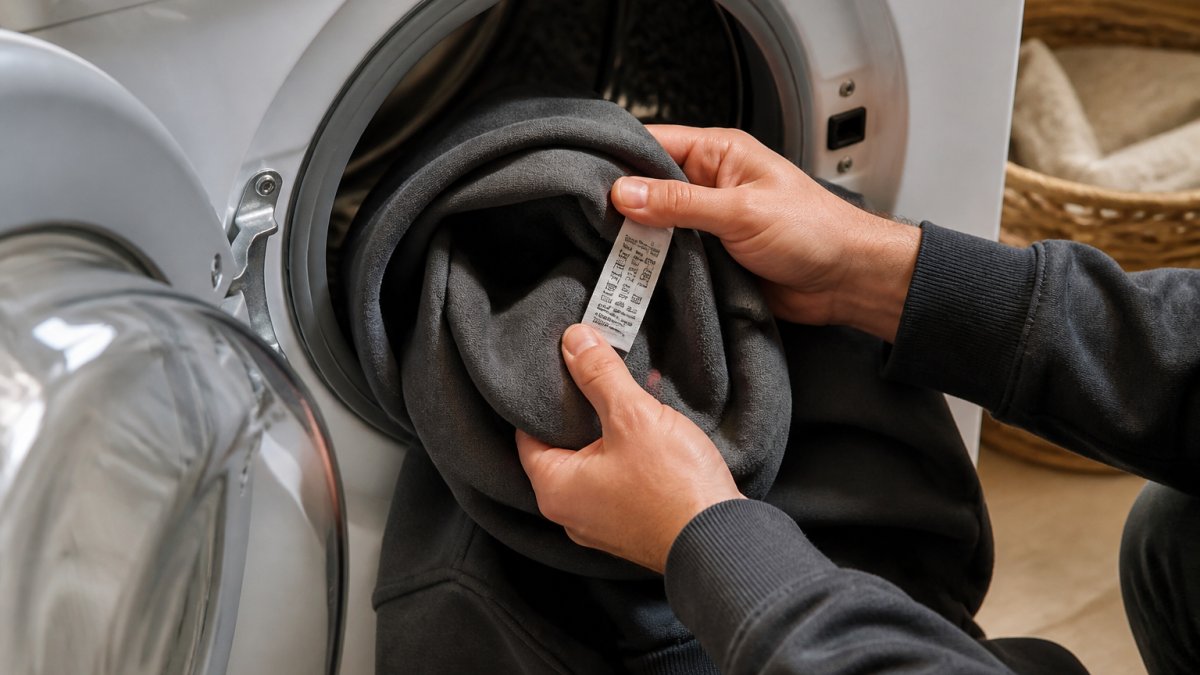
Start with cold water. Hot water breaks down cotton fibres faster. Cold water cleans just as well and preserves the fabric. Set your machine to a gentle cycle. Heavyweight fabric can handle agitation better than lightweight fabric, but there's no reason to stress it.
Notix Worldline Washed Sweatpants →
Turn your garment inside out before washing. This protects the printed graphics and the outer surface from fading and friction. Use a mild detergent. Heavy detergent can leave residue that makes the fabric stiff and damages the fibres over time.
Wash with similar colours only. Heavyweight cotton can bleed dye, especially on first wash. Mixing colours risks staining lighter pieces.
Drying matters too. Skip the high heat. Tumble dry on low, or air dry if you have time. High heat shrinks cotton and weakens the fibres. Low heat or air drying keeps the fabric in good condition.
Here's the washing routine that keeps heavyweight cotton lasting:
- Wash inside out in cold water
- Use a gentle cycle
- Add mild detergent only
- Wash with similar colours
- Tumble dry low or air dry
- Iron on low heat if needed
Follow this, and a heavyweight piece will last years without degrading. Ignore it, and even the best fabric will break down faster.
Heavyweight Hoodie Quality: What Separates Good from Great
Not all heavyweight hoodies are created equal. The GSM might be the same, but the quality varies. Real quality comes from the details.
Start with the fabric blend. If a brand is using 100% cotton, they'll tell you. If they're hiding the blend, it's probably not pure.
Next, look at the construction. How are the seams finished? Are they reinforced? Check the hem. Is it properly finished or just folded over once?
The fit matters for durability too. An oversized fit spreads the wear across more fabric. A tight fit concentrates stress in specific areas. This is why Notix designs everything oversized. It's not just about style. It's about durability.
Look at the graphics. Are they screen-printed or embroidered? The best hoodies use quality screen printing with proper curing.
Check the weight distribution. A quality heavyweight hoodie feels substantial all over. Not just the body, but the sleeves and hood too.
Finally, consider the brand's reputation. Do they stand behind their products? Do customers report pieces lasting years? Or do people complain about shrinking and fading? Notix pieces are built to last because we design them that way from the start. Every detail serves durability.
When you buy a heavyweight hoodie, you're not just buying fabric. You're buying construction quality, material selection, and brand commitment to durability. That's what separates a piece that lasts five years from one that falls apart in two.
Conclusion: Invest in Fabric That Earns Its Place
Buying cheap fabric means replacing it constantly. Buying heavyweight fabric means owning something that gets better with time. The difference isn't subtle. It's the difference between a garment and an investment.
Notix heavyweight pieces are built on this principle. The Notix Worldline Washed Sweatpants use 410 GSM premium fleece. The Notix Brick Snow Wash Heavyweight Sweatpants deliver 400 GSM construction with a snow-wash finish that looks better the more you wear it. Every piece is designed to last, to hold its shape, and to stay in your rotation for years.

When you choose heavyweight fabric, you're choosing durability. You're choosing pieces that earn respect through time and wear. That's not hype. That's just how quality works.
Choose Notix. Choose options.
Frequently Asked Questions
Why does heavyweight fabric last longer than lightweight?
Heavyweight fabric lasts longer because it has more fibres packed into each square centimetre. Higher GSM (grams per square metre) means denser construction that resists pilling, fraying and thinning. The increased fibre count creates a stronger barrier against friction and wear, so your garment maintains its shape and appearance through repeated wear and washing. Lightweight fabrics thin out faster because fewer fibres are doing the same work.
What GSM should I look for in heavyweight cotton?
Heavyweight cotton typically ranges from 300 GSM to 530 GSM. For everyday streetwear like hoodies and sweatpants, 400-530 GSM delivers the best balance of durability and comfort. At 300 GSM, you get a substantial feel suitable for t-shirts and layering pieces. Anything below 250 GSM is considered lightweight and won't offer the same longevity. Notix pieces like the Varsity Club Sweatpants use 530 GSM for maximum durability.
How should I wash heavyweight cotton to keep it lasting longer?
Wash heavyweight cotton at 30°C on a gentle cycle, inside out with similar colours. Cold water prevents shrinkage and colour fading. Avoid bleach entirely. Tumble dry on low heat or air dry to preserve the fabric structure. If ironing, use low heat and avoid pressing directly over graphics. Treating your heavyweight pieces with this care means they'll maintain their shape, colour and soft brushed interior for years rather than months.
Is a heavyweight hoodie actually worth the extra cost?
Yes, if you wear it regularly. A 400-530 GSM heavyweight hoodie costs more upfront but lasts 2-3 times longer than lightweight alternatives because the dense fabric resists pilling, maintains its shape and doesn't thin out. You'll replace it far less often, making the cost-per-wear significantly lower. The structured feel, better insulation and professional appearance also mean you can wear it in more situations, from everyday to layered looks.